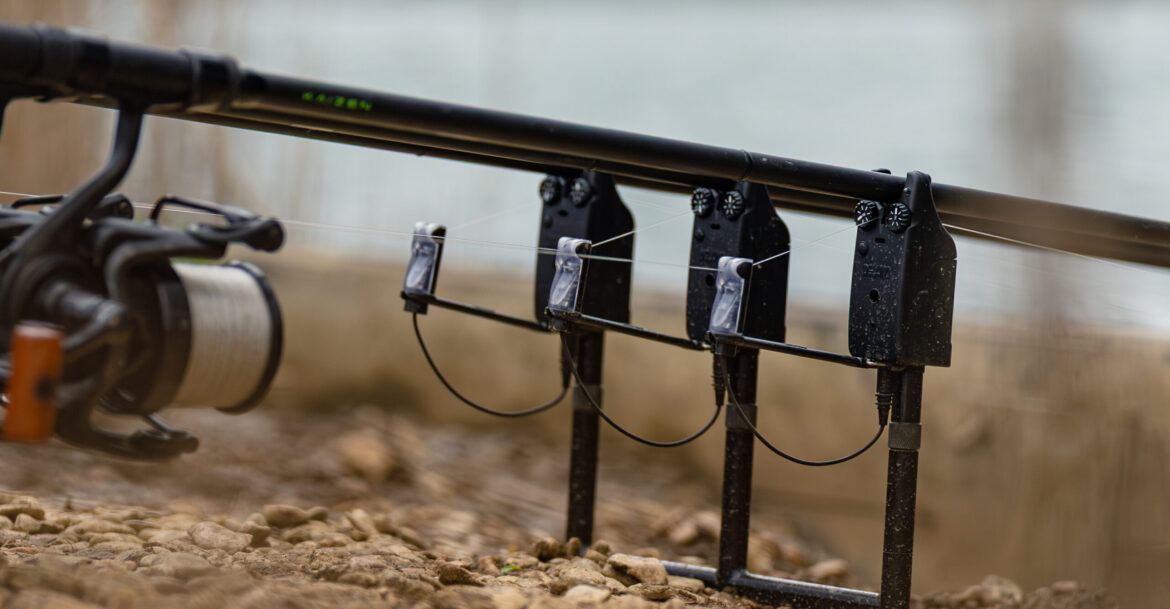
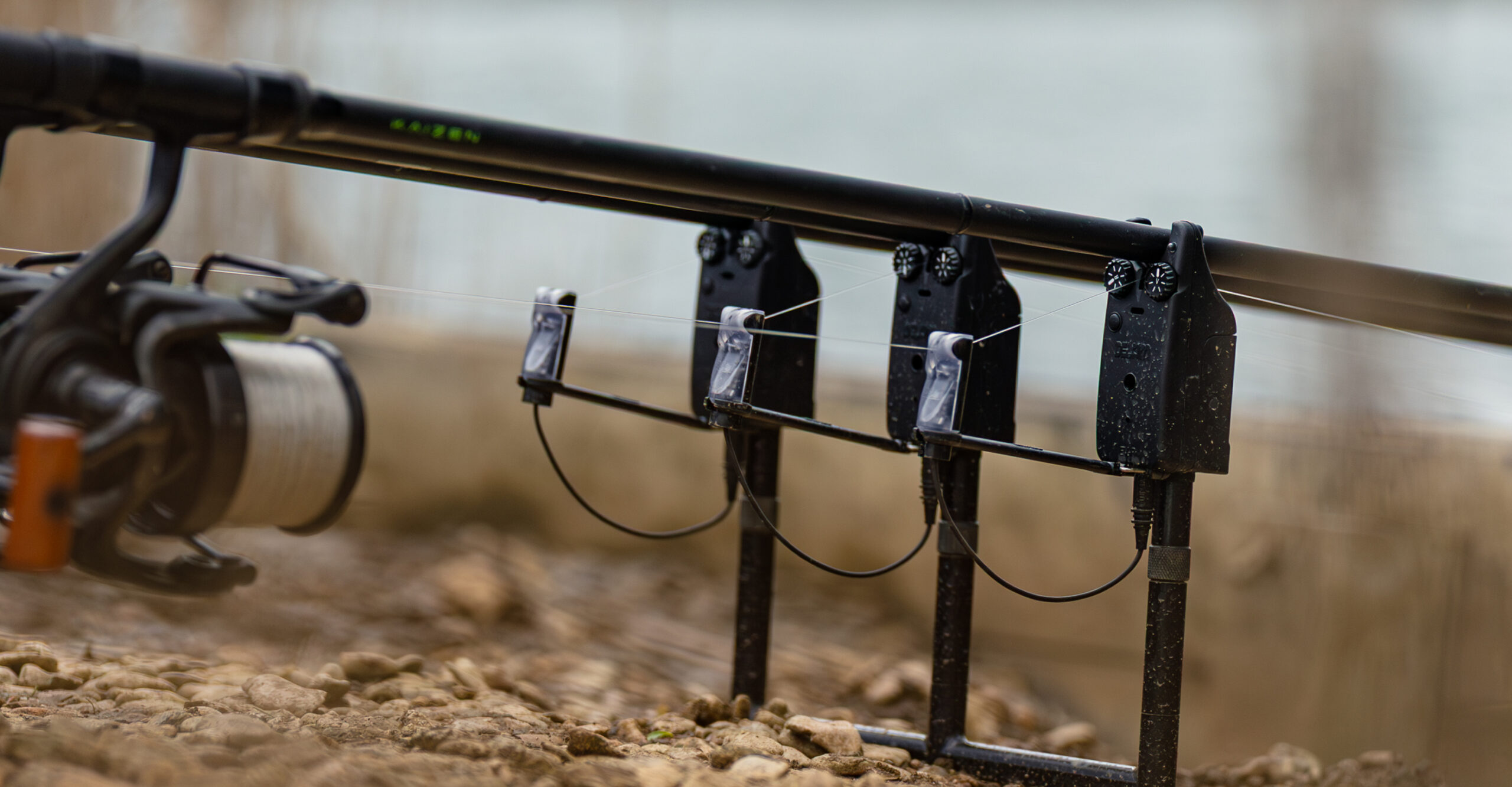
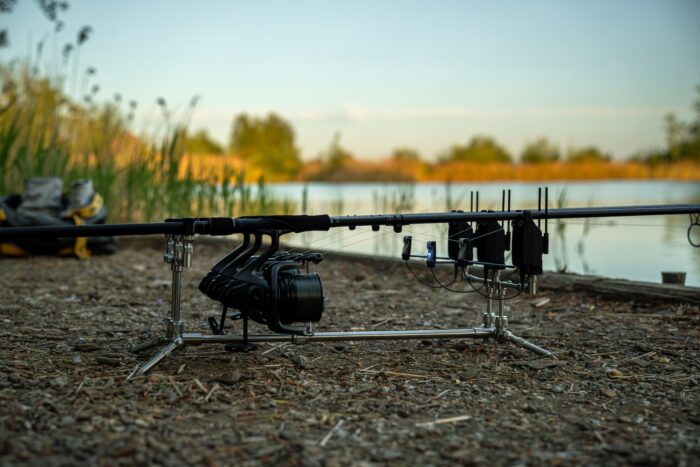
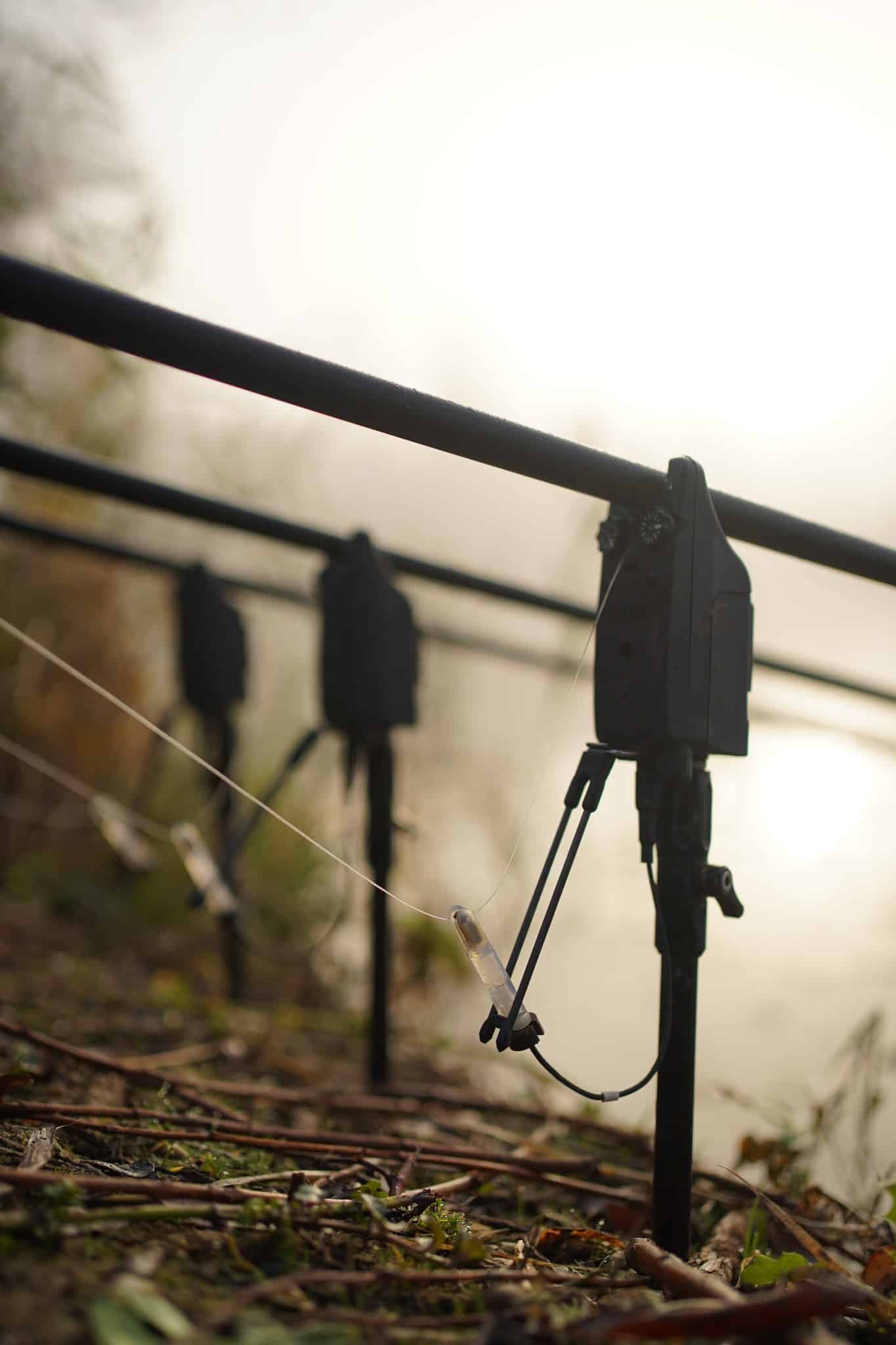
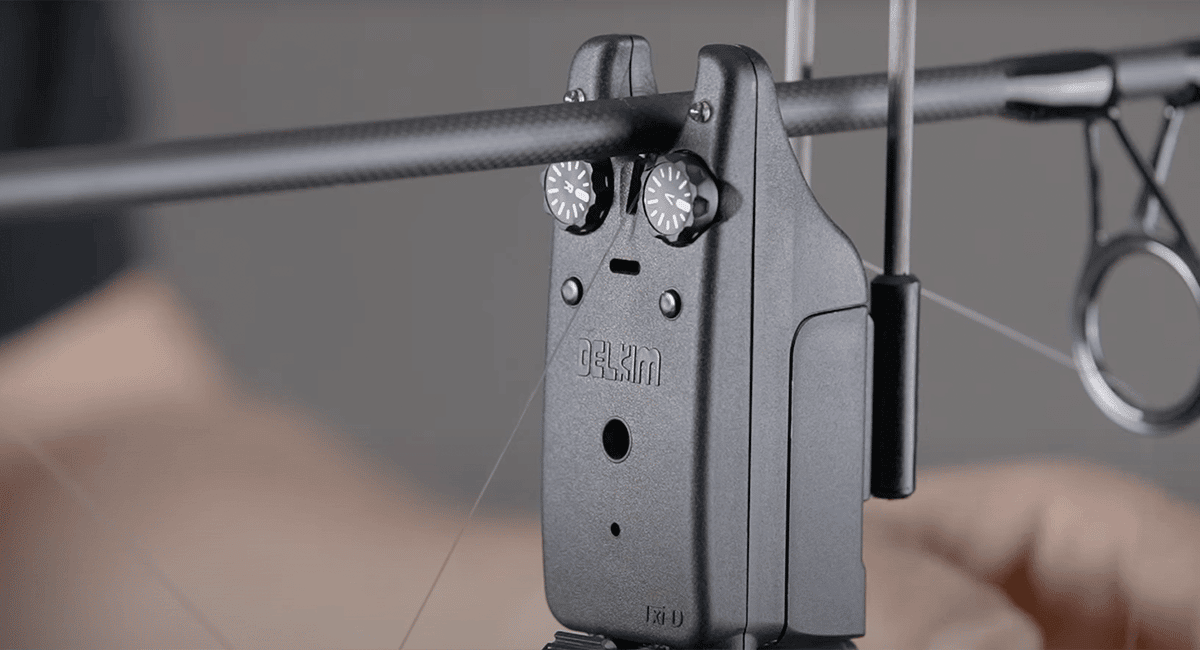
“My Delkims bleep too much.” James Armstrong I hear this all the time. If your alarms are beeping excessively, it could mean that you’re either experiencing a lot of runs, making you the next Terry Hearn, or you might not be setting them up correctly. Delkim alarms are known for their advanced technology and sensitive vibration systems, which provide a lot of information back to the angler. However, they need to be set up properly, especially in adverse weather conditions.
Adjusting the Response and Beep Speed Settings
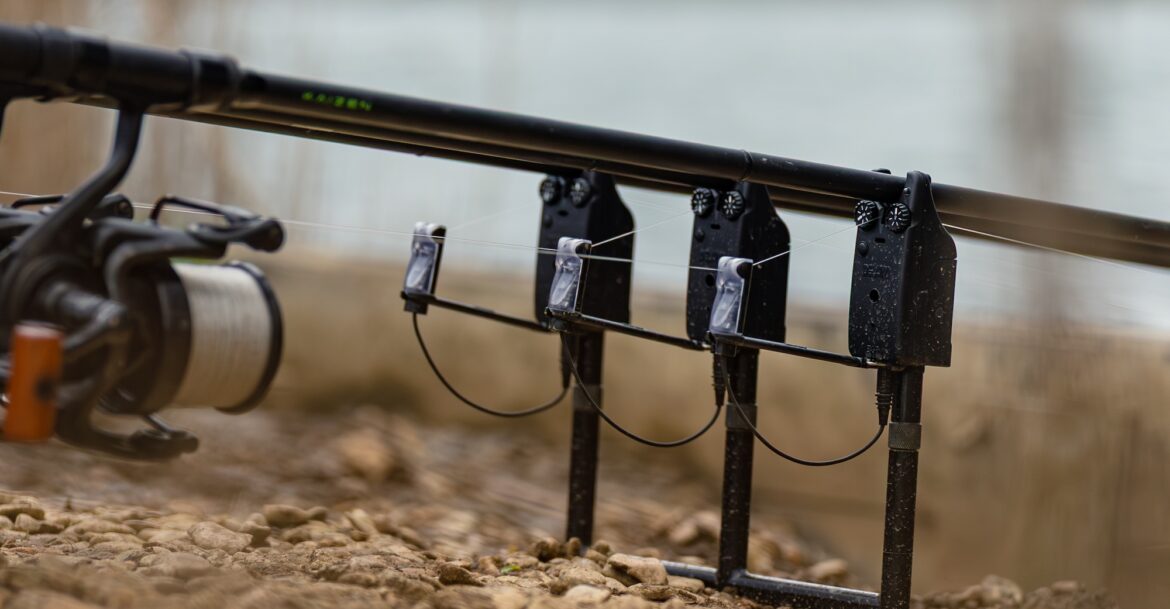
One of the key features to pay attention to is the Response setting, which can be adjusted based on the conditions, the distance you’re fishing, and any obstacles in the way. Additionally, the Beep Speed feature, along with adding or removing weights from your SmartLites, allows you to fine-tune the indication to meet your specific needs.
Fine-Tune Your Delkim for Every Fishing Situation
This level of customisation is one of the biggest advantages of using Delkims—there is a setting for virtually every fishing situation. Another significant feature of the v2 models is DND (Do Not Disturb), which is particularly useful during extreme weather conditions.
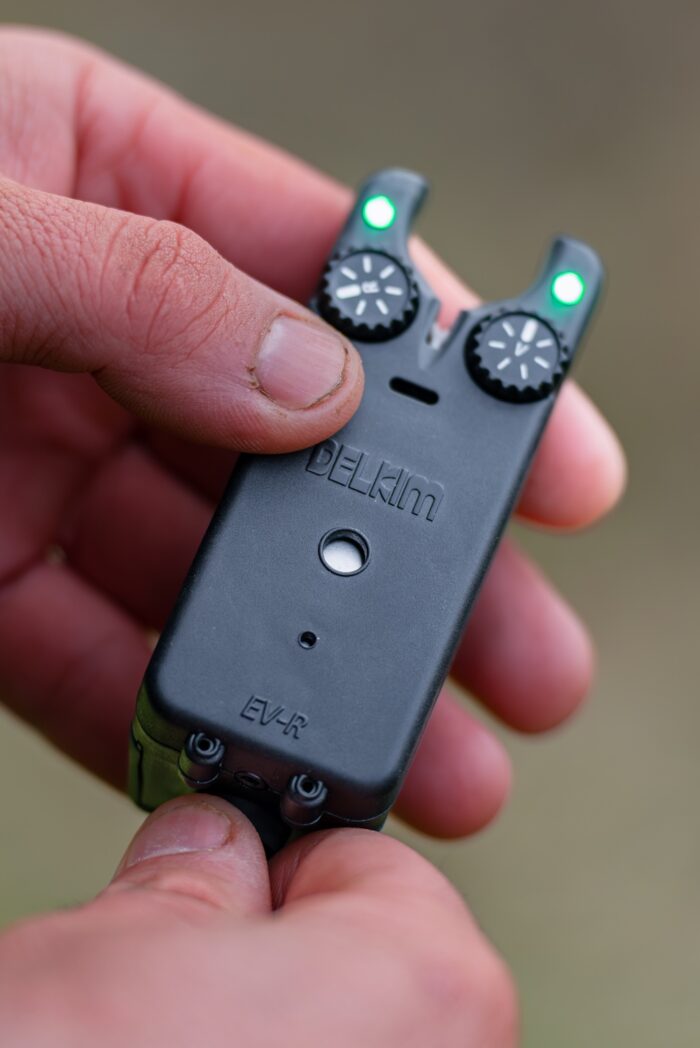
If you find yourself caught in a sudden downpour or hailstorm, you can activate the Do Not Disturb function on your receiver. Simply press the middle button on the receiver, and it will mute the receiver for up to 15 minutes, preventing those annoying bleeps during the storm.
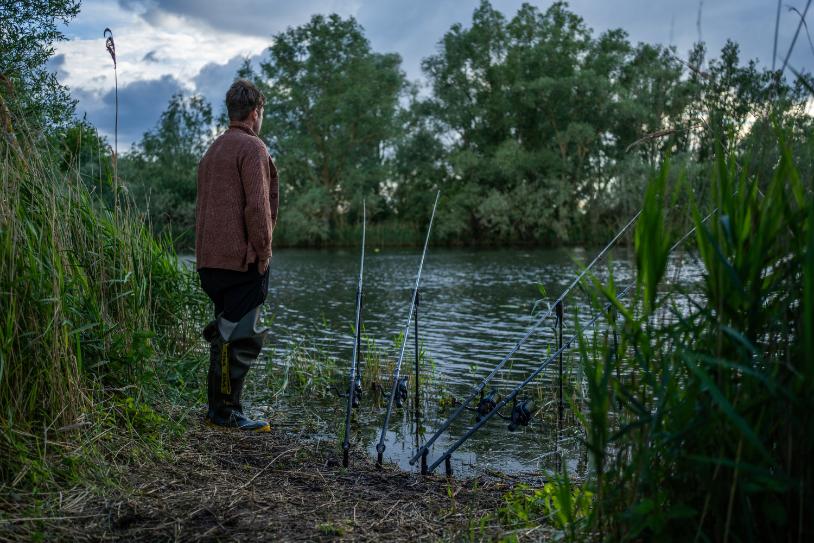
If you’re like me, then you will sometimes fish venues that can maybe unnerve you slightly. The pursuit of special carp can throw all sorts at you, and it was on one particular park lake that I felt I needed that extra layer of security with my gear. Fishing tackle isn’t cheap and if you have invested in the best alarms on the market, you want to protect them as much as possible.
Enhanced Visibility with Built In Led Technology
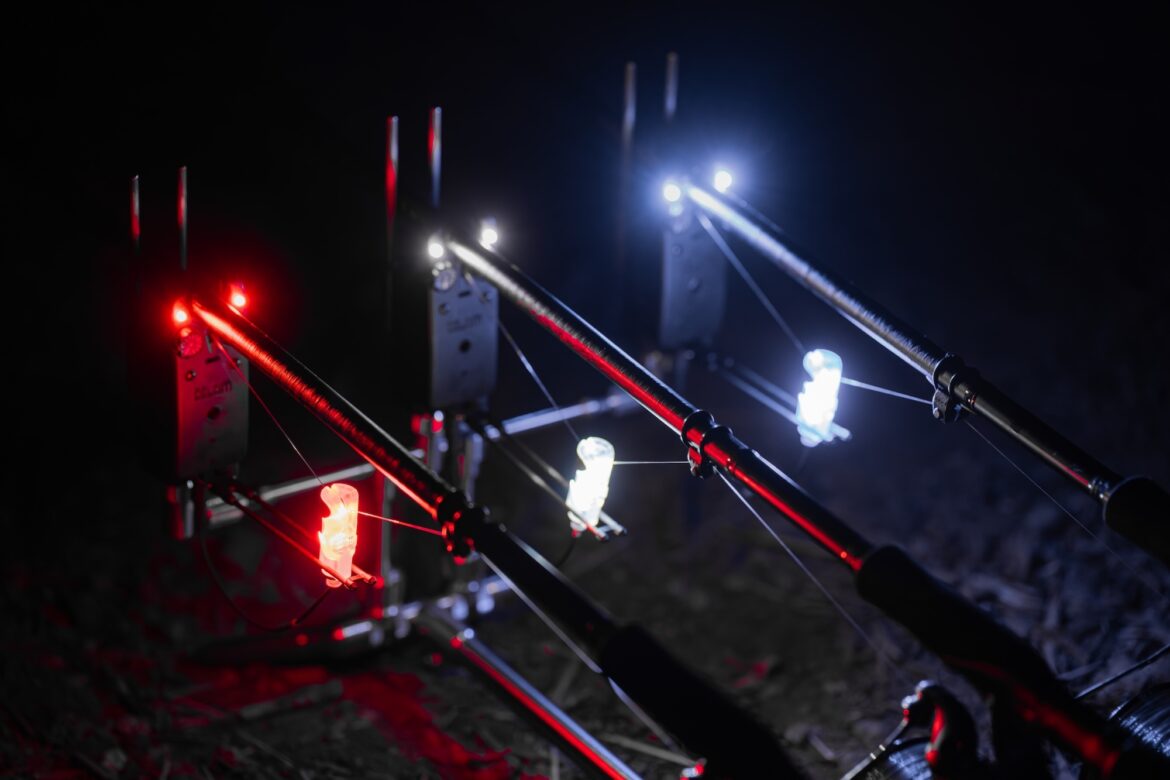
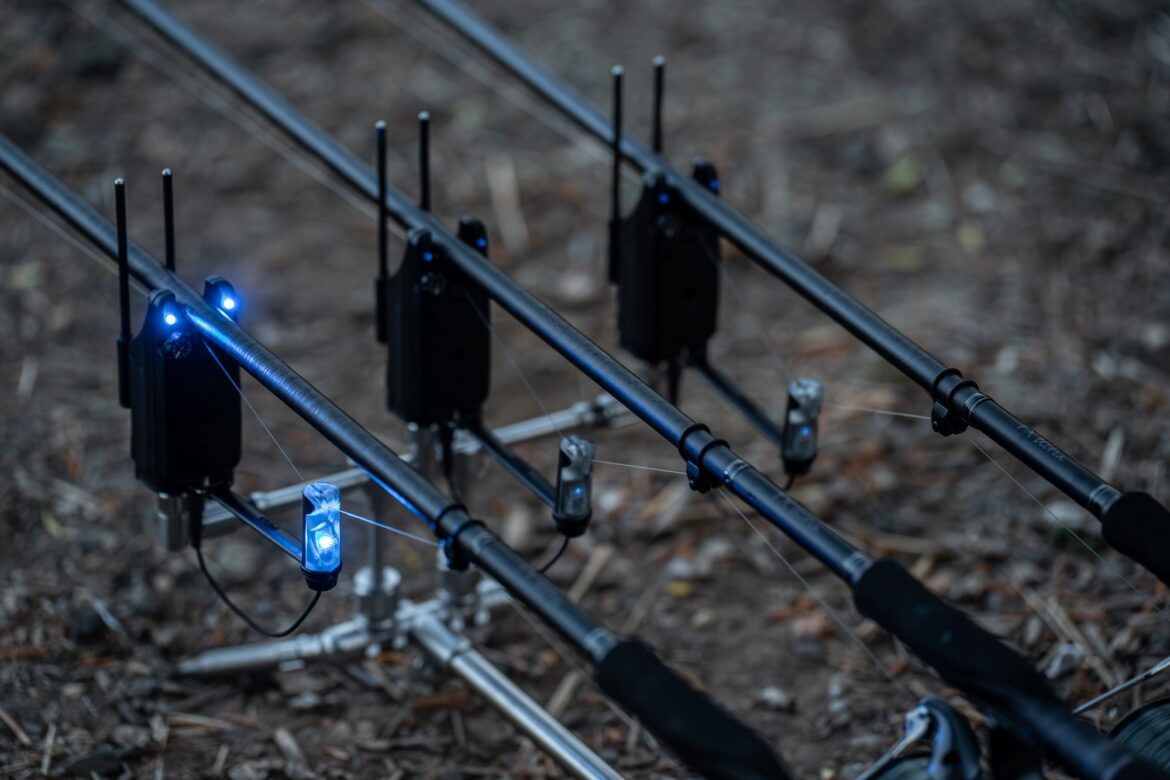
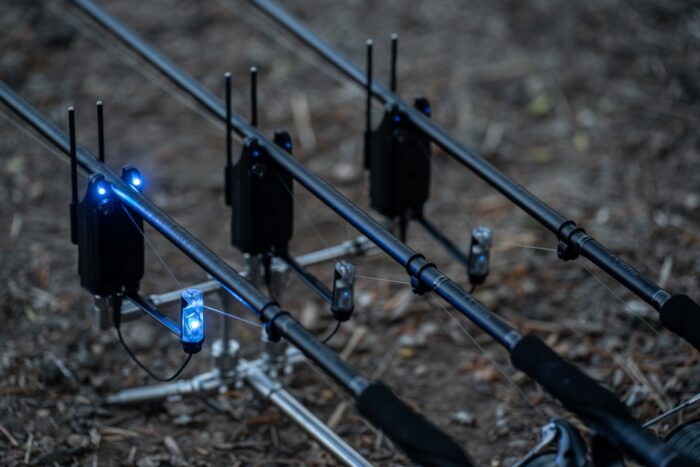
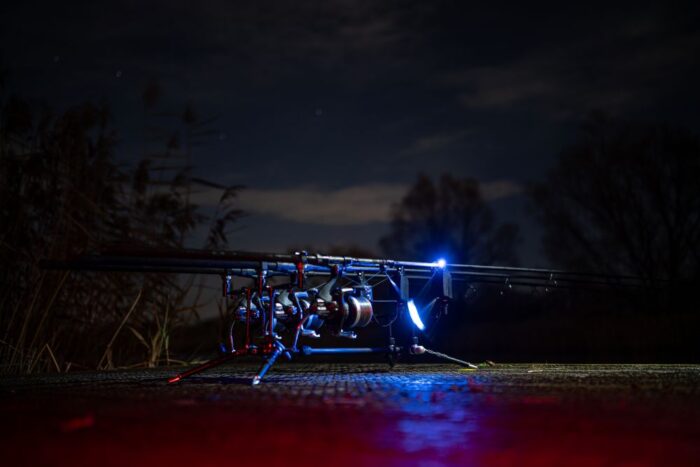
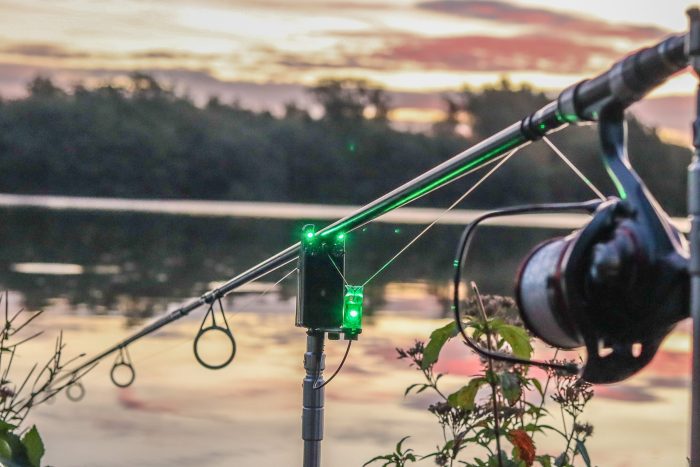
The built-in LED lights shine brightly at night, illuminating when a carp takes the bait, ensuring you never miss a bite in low-light conditions. They are even adjustable as to how brightly you want them to shine.
Delkim Anti-Theft Security in Action
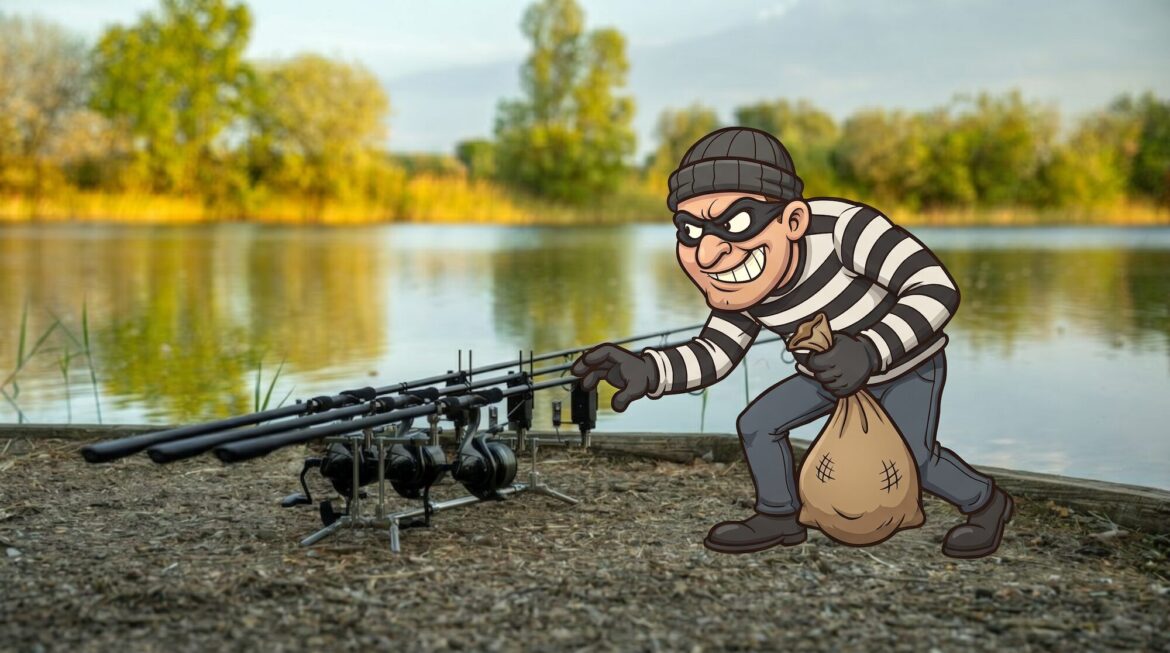
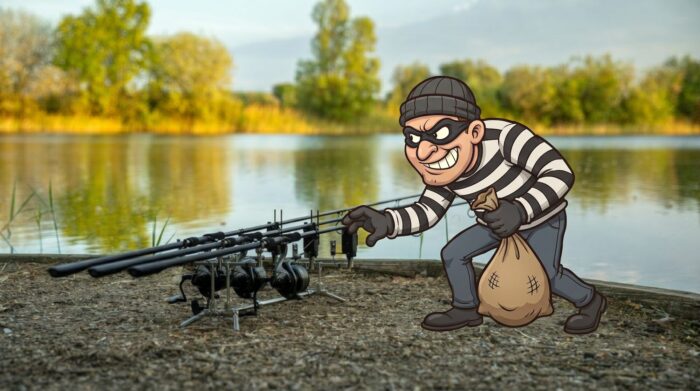
Both the v2′s and the EV-R’scome with a function called Anti-Theft Security. This is perfect for fishing those dodgy venues. If someone were to enter your swim and attempt to remove your bankstick or turn your alarms off, a loud alert tone will be sent to your receiver, telling you that something is wrong. This is a huge feature on venues where security is a concern and could be just enough to make a thief panic and move on, much like a house alarm would.
For me, it’s another example of how Delkim continues to think beyond bite indication and deliver features that genuinely benefit anglers on the bank.
I have been field testing the EV-Rs since development, putting them through their paces on a variety of waters, Linear Fisheries being one of them. I love them!
One Button Simplicity & Speed
Now Quite simply, one button makes everything so simple on the EV-R’s and that’s what I love about them. I fish with speed, and one button lets me do that. With that one button, I can change the tone, the LED colours, and I can even mute the alarm too, which by the way is a mega function. It prevents annoying all the other anglers around me when setting the bobbins. The EV-R’s also already come paired in the box with the receiver, so that’s another stress taken away. SmartLites are fully compatible too, so I can be confident that they are creating the ultimate bite indication!
Range, Features & Value
The EV-R’s boast a 200yrd range, which is more than adequate on any lake you are fishing. Not only are the EV-R’s packed with all the features you need to fish effectively, they are also at an amazing, affordable price so they will cater for so many day to day anglers that I meet on the bank.
Delkim EV-R, Ready to Use – The Smart Choice for Anglers
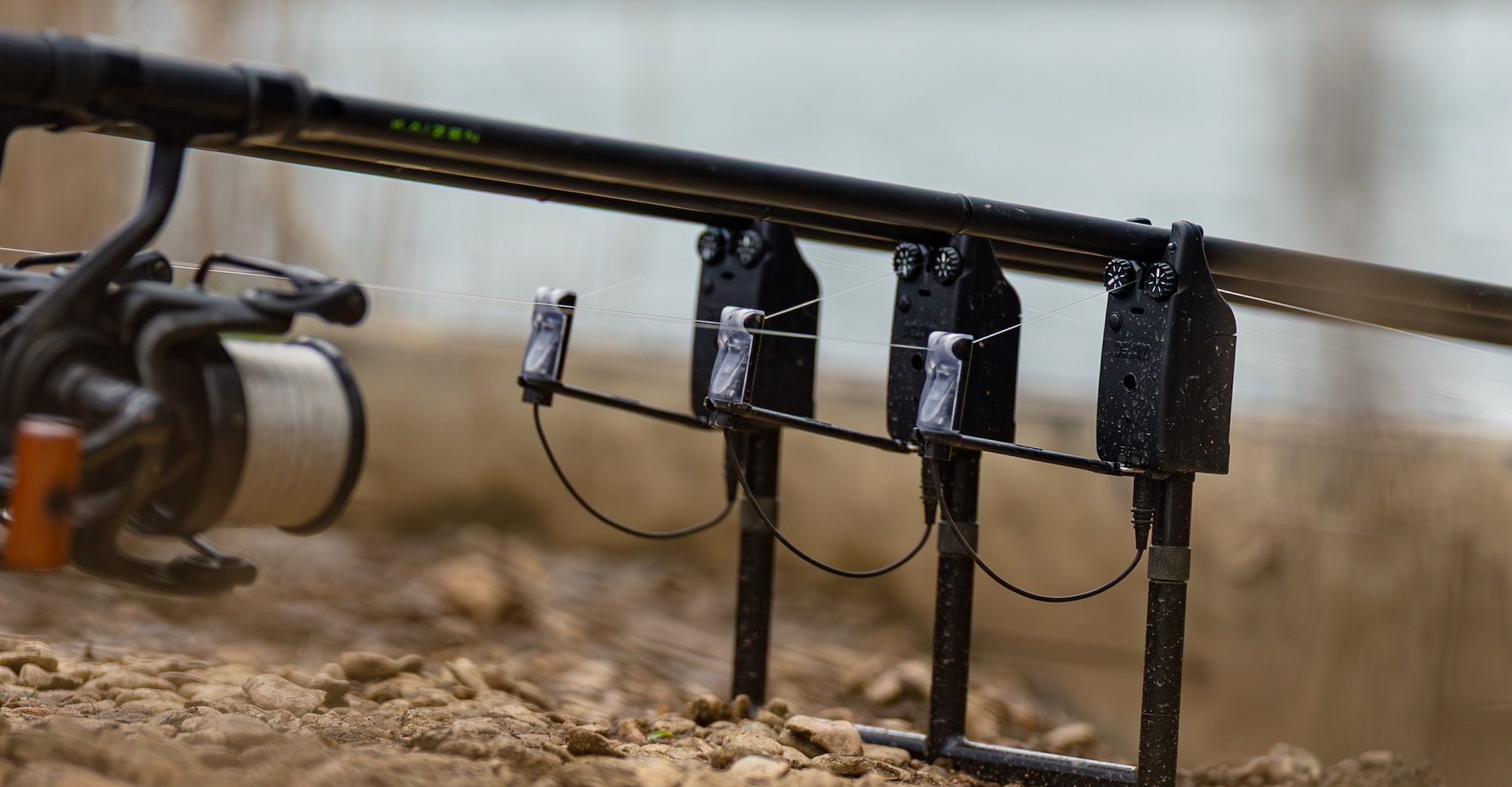
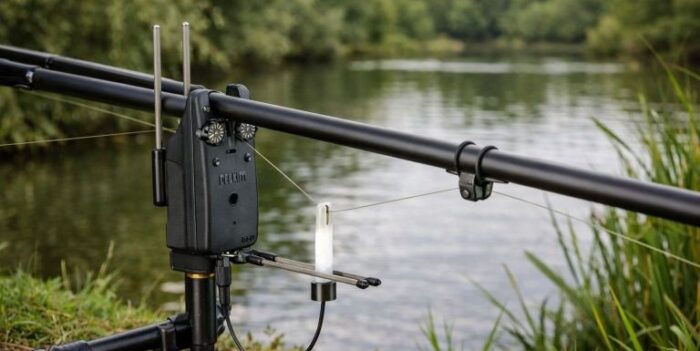
Delkim NiteLites are a game-changer for carp anglers. I have used them extensively while fishing, particularly in demanding waters and when targeting big carp. I switched over from standard bobbins a while back. They just didn’t do the job on big lakes, the hangers would swing around in the wind, giving me false indications, and they simply weren’t heavy enough to create any sort of decent indication. That’s when I swapped, and I’ve never looked back. The NIteLites, when used with the arms, are so stable in the wind, I love them. They also ensure optimum indication and when adjusted just right with the detachable weights, they provide optimum sensitivity, even at range and when fishing presentations such as zig-rigs.
Enhanced Visibility with Built In Led Technology
The built-in LED lights shine brightly at night, illuminating when a carp takes the bait, ensuring you never miss a bite in low-light conditions. They are even adjustable as to how brightly you want them to shine.
Perfect for Range Fishing and Maximum Sensitivity
For those who prefer range fishing, you can easily add weights to the NiteLites and I often do this to the maximum level when boat fishing home or abroad. The combination of enhanced visibility and adjustable sensitivity means you can fish with confidence, knowing that any movement will be promptly signalled.
Early spring can be a tricky time for carp fishing, but with the right approach and a focus on attraction over quantity, the bites will soon start coming.
Early Spring Carp Fishing and Keeping It Simple
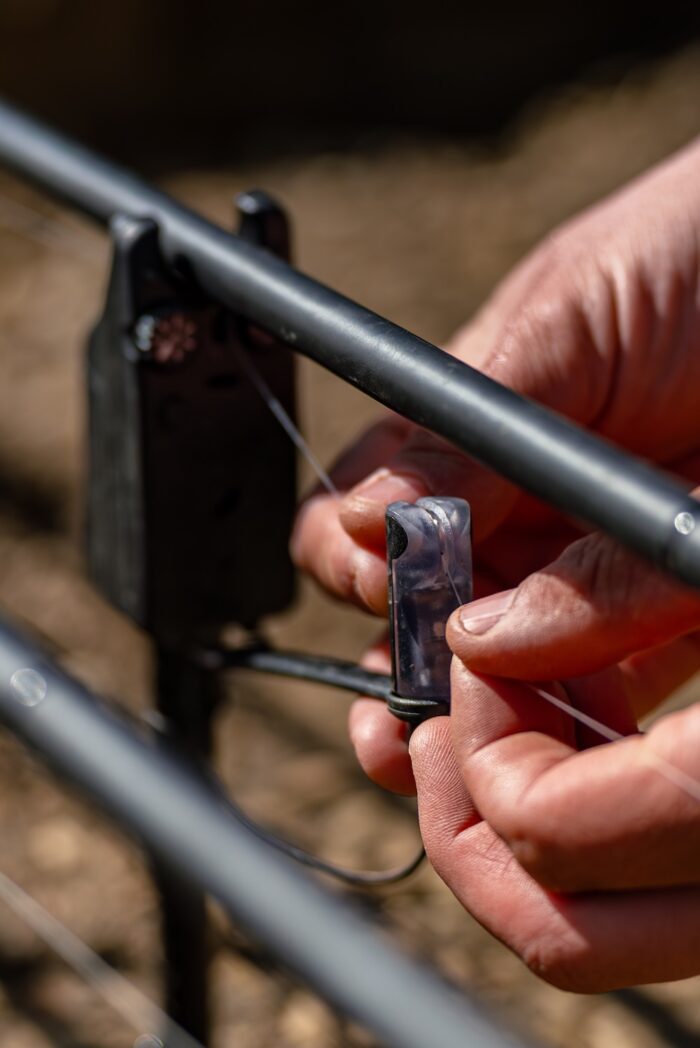
Although it is now springtime, lots of anglers get very excited and often overbait as a result. However, the carp are still only just coming out of their winter slumbers so it’s important to still stick to the high attraction attack. A simple high-attraction approach can be the key to early success, and usingSmart Clips helps ensure smooth line release and reliable bite indication when those first cautious takes come along.
Bright Hook Baits for Maximum Attraction
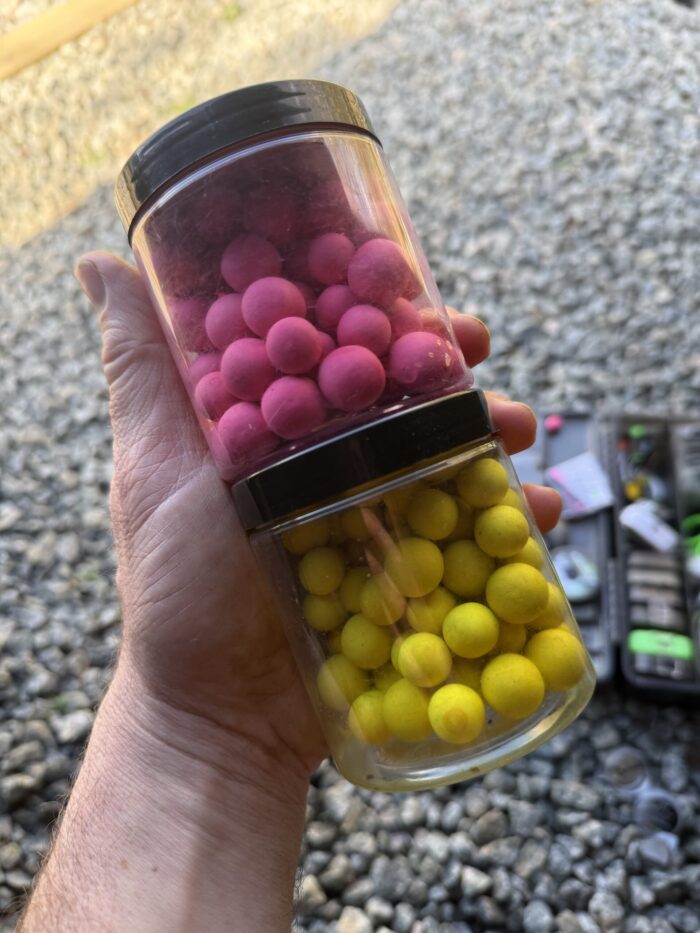
Therefore, bright, highly visual hook baits play a huge part in my armoury. Yellows and Pinks are my main stay, with Northern Specials soaked in Almond Goo and Pineapple Goo my two favourite options. Fishing these over a few spombs or handfuls of crumb, corn, hemp or naturals is just enough to get a bite. Then, repeat the process and try not to get lured into filling it in with bait, you can’t take out what you put in.
Whilst on the same subject, single hook baits and zig-rigs also score well in the spring. Again, look to use bright baits and bits of foam to lure them into taking it. When the early spring sun is beating down onto the surface try to present these in shallower areas, little gravel bar rises or plateaus are great spots to try.
Spring Success – They’re really waking up now so make sure you’re out there and the Delks are warbling!!
They have DROPBACK!!! I have been waiting years for Delkim to do an indicator that has the dropback function and finally they did it. I now have the best combination for bite indication. I do a lot of diffferent fishing around Europe and sometimes this is with a tight line up against islands, snags and the like, therefore it is imperative that I know if I’ve had a dropback and the new SmartLites, when coupled with v2’s provide exactly that, with a different tone and light signal to show it.
LED Synchronisation with Delkim v2 Alarms & Night Marking Feature
Now that’s not all. The new SmartLites also synchronise with the colour LED on the headset so should you change say from green to blue, the swinger does too, meaning that you’ll look the part 😉 One of the big features that I love with the v2 and SmartLite combination is the night marking facility which is a super dim light that stays on at nighttime.
Stable Swinger Arm Design for Fishing in High Winds & Tough Conditions
When I fish in demanding conditions, high winds, rain, or if I am fishing big windswept pits abroad, they really come into their own. Due to the swinger arm, it stabilises the indicator thus meaning that it won’t swing from side to side in the wind, like a normal bobbin might do, therefore giving false indications. That said, for those bobbins lovers, you can use them off of the arm too as a normal bobbin.
Why the Delkim SmartLite System Ticks Every Box for Modern Carp Anglers
Overall, they really tick all the boxes, take a look yourselves
It’s winter, the temperatures have plummeted, and it’s frosty. In fact, there’s cat ice forming in some of the margins of the lake. Not only is it tough for the anglers, it is also tough on the tackle and so it must be up to the rigours of winter carp fishing.
When Everything Else Freezes – Delkims Don’t
Catching a winter carp is a big feat, they’re looking their best and often at their biggest weights. Now, imagine if you worked hard for that bite all winter, only to find your buzzer was frozen and you ended up losing the fish as a result. Well, this is possible with a roller wheel system, and a huge reason I place ALL my faith in Delkims. They’re vibration, no moving parts to the bite detection system. What does this mean? It means they can be used with 100% confidence whatever the elements has to throw at them. They don’t freeze!
Maximising Sensitivity for Winter Success
There is also the option to make them incredibly sensitive, again due to the vibration system. That means that even the tiniest of liners can register on your alarm, if you’ve set it up correctly (ensuring Response is at its most sensitive). The tiniest of liners can often result in finding the carp’s whereabouts, potentially resulting in a successful winter!
On a recent session at a venue known as North Bank, one of Embryo Anglings waters, I experienced a true red-letter session. I ended up with 10 carp in less than 48 hours which included a new lake record at over 40lb! Nice!
When you’re out on the bank, it goes without saying you want an alarm you can trust; that’s one of the key reasons why the Delkim v2 bite alarms play such an essential role in my angling.
I know each and every time I turn up to the lake, all I have to do is turn the alarms on, and I’m fishing. I also have the peace of mind that I’m not going to run into any unexpected issues, once the initial set up of the v2 alarms is complete, there’s not a lot else to worry about.
Like most people who go carp fishing, we all live busy lives, and despite having OCD issues “lol” and trying to keep on top of maintenance, it’s just not always possible, and that’s where you need complete trust in your equipment.
Admittedly, over the last 23 years, since I started carp fishing, I’ve used a number of alarms throughout my time; however, I always find myself gravitating back to where I started, with Delkim.
For me, the reliability of going through all four seasons in a calendar year is essential, non more so than through the winter period, especially when in the past I’ve been let down with frozen alarms. I can open and honestly say that’s never been the case with Delkim alarms, which is mainly down to the vibration plate.
Why Alarm Sensitivity Matters on the Bank
These days, there’s only one function I change, and it’s the ‘vibration response’ on the front of the alarm, and that’s very much weather-dependent. With risk of stating the obvious, the windier it gets and the more tow you’re having to deal with, the less response I’ll have on my alarm. If I were in a fishing situation where I was using zigs, fishing up to snags or maybe fishing for liners in the winter, then I’d have sensitivity turned up to the max.
In my opinion, both functionally and aesthetically, I don’t believe there’s a better all-around alarm on the market. The alarms are an investment in your angling, and if reliability is your most important aspect, then I can honestly say the Delkim v2 bite alarms will not let you down.
Ach, brytyjska pogoda, nieprzewidywalna jak zawsze i będąca częścią wędkarskiego doświadczenia jak wszystko inne. Zwłaszcza, gdy właśnie zasiadasz na dobrą sesję nad brzegiem wody, z wędkami wyciągniętymi i gotowymi do akcji, a niebiosa się otwierają. Wyobraź sobie taką sytuację: właśnie kupiłeś najnowsze Delkim Txi-D, dumę swojego pudełka ze sprzętem, ale potem, gdy uderza deszcz, pojawiają się fałszywe alarmy.
Brzmi jak koszmar, prawda? Ale wstrzymaj konie, ponieważ jestem tutaj, aby rzucić trochę światła na ten deszczowy nonsens.
Po pierwsze, możesz używać swoich Txi-D od razu po wyjęciu z pudełka i przekonasz się, że są gotowe do pracy w większości warunków, bez poprawek, bez aktualizacji, po prostu solidny jak skała alarm brania. Ale jeśli otrzymujesz fałszywe sygnały dźwiękowe, łatwo jest dostosować wskaźnik brania do niemal każdej pogody, zminimalizować fałszywe alarmy, zmaksymalizować połowy i umieścić więcej ryb na brzegu. I właśnie po to wszyscy tu jesteśmy.
To powiedziawszy, zajmijmy się słoniem w pokoju - pomysłem, że Delkims i deszcz pasują do siebie jak kreda i ser. To mit, bzdura, poppycock, jeśli mam być szczery. Wymyślony przez wędkarzy, którzy bez względu na wszystko będą trzymać się swoich sygnalizatorów brań. Biorąc pod uwagę, że produkujemy sygnalizatory brań od 1992 roku, myślę, że to dowodzi, jak dobrze działają one w każdych warunkach pogodowych. Produkujemy tylko sygnalizatory brań, więc gdyby nie działały, nie byłoby nas tutaj, a Ty nie czytałbyś tego!
Alarmy przeciwzgryzowe odporne na warunki atmosferyczne
We’ve all heard the rumours, annoying comments around false alarms during an unexpected downpour but Txi-D’s are not just designed to be weather-resistant, they’re perfect companions no matter the weather. The default settings help you get going quickly and the customisation helps you get to know your gear and understand what each setting does to make your experience better. Because, with a little knowledge, a few YouTube tutorials, and a couple of tweaks, you can get your Delkims can screaming in the rain for all the right reasons.
As standard, the Delkim Txi-Ds are fantastic bits of kit, packed with features designed to tackle almost every scenario. Rain, snow, freezing temperatures, sunny days and hazy afternoons. But you can do so much more, we’re talking sensitivity adjustments, beep speed control, and the awesome ‘Do Not Disturb‘ function. They all help you set your alarms up for a perfect session no matter the weather.
Moc wykrywania wibracji
If you’re missing out on the power of a vibration sensor but want to get involved then try the Txi-Ds straight out of the box, you’ll find they work brilliantly almost everywhere or dig a little deeper and dial in your alarms to fit how you want to fish. Head over to our YouTube channel, download our app, or jump on our Facebook forum for ‘how to’ videos, content, and help.
Nieużywanie ustawień jest jak posiadanie iPhone'a i używanie go tylko do wykonywania połączeń i wysyłania SMS-ów. Tracisz o wiele więcej możliwości. Jeśli zaczniesz dostosowywać ustawienia, bawić się czułością, dostosowywać jasność diod LED w dzień i w nocy, możesz znaleźć to słodkie miejsce, w którym Delkims jest czujny na ryby, a nie na pogodę.
Bez względu na wszystko, dzięki Delkim wiesz, że uzyskasz więcej informacji niż z jakiegokolwiek innego alarmu ugryzienia, na który kiedykolwiek wydałeś pieniądze. Gwarantowane.
Jesteśmy pewni, że większość regularnych wędkarzy docenia zasadniczą różnicę między systemem wskazań Delkim a innymi alarmami. Jednak czasami spotykamy się z pytaniem, DLACZEGO tak bardzo wierzymy w naszą metodę, skoro technicznie jest ona o wiele trudniejsza do wykonania niż koło?
W Delkim nigdy nie idziemy na skróty. Nie idziemy na łatwiznę. Staramy się być najlepsi. Chcemy, aby nasze produkty zapewniały użytkownikowi maksymalną wydajność, niezależnie od wyzwań technicznych. Koncentrujemy się na dostarczaniu najlepszych możliwych wskazań w każdych warunkach, dlatego zawsze używaliśmy i będziemy używać naszego systemu bezpośredniego wykrywania drgań. Jeśli otrzymujesz więcej wskazań, wiesz więcej o tym, co dzieje się przed Tobą. A to może tylko zwiększyć szanse na złowienie ryby.
Po pierwsze, przyjrzyjmy się, w jaki sposób prawie wszystkie inne alarmy wskazują, używając koła rolkowego. Niezależnie od tego, czy koło przerywa wiązkę światła, wykorzystuje magnesy do wyzwalania czujnika, czy też wykorzystuje inną metodę, obowiązuje ta sama podstawowa zasada. Kółko MUSI obrócić się o określoną wartość, aby alarm się włączył lub aby jakiekolwiek dane zostały przekazane do wewnętrznego oprogramowania. Ogranicza to ilość informacji, które wędkarz może otrzymać.
Inni wypróbowali wykrywanie wibracji w połączeniu z kółkiem w swoich modelach z wyższej półki, ale jest to kompromis. Nadal nie ma bezpośredniego kontaktu między linią a czujnikiem, więc informacje zostaną utracone.
Rozmawialiśmy z wędkarzami, którzy tak naprawdę nie przejmują się tym wszystkim. Łowią tylko karpie, zależy im tylko na pełnokrwistych przynętach i nie interesuje ich czułość ani możliwość regulacji. To w porządku, ale tracą ryby. Nie mówimy tego tylko w celach marketingowych. To bezdyskusyjny fakt, który został zilustrowany w dalszej części tego artykułu.
With the Delkim vibration system, the line is in direct contact with the sensor, the tip of which is made from extremely tough PEEK thermoplastic. The sensor generates a current whenever it vibrates. It is this current generated by the vibration of the sensor which feeds into our specially developed software.
Nasz czujnik piezoelektryczny jest niezwykle czuły. Na przykład stuknięcie w alarm wystarczy, aby wywołać sygnał dźwiękowy, gdy reakcja jest ustawiona na maksimum, podobnie jak dmuchnięcie w czujnik. W rzeczywistości jest to część sposobu, w jaki indywidualnie testujemy nasze alarmy - poprzez dmuchanie! Można go nawet uruchomić za pomocą dźwięku o odpowiedniej częstotliwości.
Czujnik jest niemal żywą istotą. W rzeczywistości zawsze porusza się w niewielkim stopniu w odpowiedzi na otoczenie i stale generuje sygnał, który jest interpretowany przez nasze oprogramowanie i modulowany zgodnie z wymaganiami.
Nasze oprogramowanie jest niedocenianym bohaterem naszych alarmów. Potrzeba wielu, wielu setek godzin programowania, testowania i dostrajania, zanim będziemy zadowoleni. Pobranie surowego sygnału z czujnika, udoskonalenie go, wygładzenie i zinterpretowanie nie jest łatwym zadaniem. Być może dlatego, będąc przyzwyczajonym do znacznie prostszych i mniej użytecznych metod, "ludzie za kółkiem" nie dorównali nam przez 30 lat prób!
Oczywiście ten rodzaj czułości nie jest potrzebny w wielu sytuacjach wędkarskich. Dlatego mamy szeroki zakres ustawień, od super czułych do odpornych na gale. To oprogramowanie pozwala na taką kontrolę. Dla większości wędkarzy Delkim może być używany "od razu po wyjęciu z pudełka", bez konieczności dostrajania. Ale możliwość dostrajania jest dostępna, gdy jest to potrzebne, a wysoka czułość jest szczególnie przydatna do zbierania rzeczy, których koło nie zobaczy. Zilustrujemy przydatność naszego systemu kilkoma przykładami, niektóre z własnego doświadczenia, a inne zaczerpnięte z opinii naszych klientów:
Pewnego razu mój klient łowił karpie w jeziorze, rzucając daleko w kierunku jakiegoś elementu. Było spokojnie, więc Delkim miał czułość ustawioną na maksimum. Zaczął łowić na linery, które wystarczyły, aby wydawać pojedyncze piknięcia; ryby wyraźnie się zbliżały! Ponowił rzut i w krótkim czasie złowił kilka 20-tek. Później dowiedział się, że poprzedni wędkarz mocno zanęcił bliższe miejsce, a ryby przeniosły się tam po jego odejściu. Koło po prostu nie podniosłoby tych linerów, a on prawdopodobnie odszedłby z pustym miejscem.
Jeden z naszych pracowników łowi dużo szczupaków, a większość poważnych wędkarzy szczupakowych już rozumie przydatność systemu Delkim. Wędkarze szczupakowi mają tendencję do używania napiętej linki i wskaźników ramienia opadowego pod otwartym ramieniem beli. Czasami klips żyłki na opuszczanym ramieniu musi być dość ciasny, aby sprostać warunkom, a on osobiście widział, jak ryba podbiera przynętę, lata kilka stóp na napiętej żyłce i upuszcza ją ponownie, bez alarmu kółka rolkowego kolegi wędkarza. Delkim by tego nie przegapił. Szczupaki, szczególnie na wodach o dużej presji, mogą być niezwykle płochliwe, gdy poczują opór. Delkim zasygnalizuje naprężenie żyłki nawet wtedy, gdy wskaźnik opadającego ramienia nie poruszy się, a ponadto będzie nadal prawidłowo wskazywał, gdy ramię opadnie i wolna żyłka będzie przebiegać nad czujnikiem. W przypadku kółka często nie ma wystarczającego tarcia, aby spowodować obrót, gdy linka swobodnie przepływa nad nim.
Powyższy problem z kółkiem ma również zastosowanie w przypadku używania ultralekkich szpulek do łowienia węgorzy lub płoci. "Przeskakiwanie żyłki" może być prawdziwym problemem w przypadku sygnalizatorów z kółkiem i może prowadzić do tego, że wędkarz będzie musiał pogorszyć swoje wskazania, używając cięższych szpulek lub ciaśniejszych żyłek, aby alarm mógł skutecznie zabrzmieć.
Coraz więcej wędkarzy używa sygnalizatorów podczas nocnych połowów brzan. W takiej sytuacji szczytówki wędek znajdują się wysoko, a żyłka jest napięta; czasami bardzo napięta, jeśli łowi się w jednej z dużych rzek, takich jak pływowy Trent, gdzie wędkarze są znani z używania 12 uncji ołowiu tylko po to, aby utrzymać dno! Wymusza to mocniejszy baitrunner lub hamulec, aby zapobiec zrywaniu żyłki przez prąd, w wyniku czego duże przynęty i brania mogą uderzać szczytówką wędziska w zaskakującym stopniu bez faktycznego liniowego ruchu żyłki. Prawidłowo ustawiony Delkim wyczuwa wibracje tych uderzeń zarówno przez żyłkę, jak i samą wędkę. Kółko nie poruszy się i nic nie powie. Możesz siedzieć tam całą noc, używając alarmu rolkowego, nigdy nie wiedząc, że masz rybę w pływaku.
Oczywiście są też inne zalety w porównaniu z kołem. Nasz czujnik nie zamarza i jest odporny na ekstremalne temperatury. Nie może się zaciąć. Działa przez 100% czasu niezależnie od warunków. Nadal masz możliwość dostrojenia każdej głowicy zakresu "D" przy użyciu równowagi między ustawieniami reakcji i prędkości, dzięki czemu jest ona bardzo głucha na wiatr i deszcz, ale nadal zapewnia prawidłowe wskazanie biegu. Masz to, co najlepsze ze wszystkich światów; niesamowitą czułość, gdy ten jeden liner może stanowić różnicę między rybą a blankiem, aż po możliwość dostrojenia głowic do najgorszych warunków, bez utraty cennego biegu.
Dlatego jesteśmy tak pewni siebie, gdy mówimy, że Delkim złowi więcej ryb. Nie ma innego alarmu na rynku, który wskazywałby tak, jak nasz. Nasz alarm jest jedynym, który działa poprzez bezpośrednie wykrywanie wibracji, maksymalizując w ten sposób możliwości wykrywania.
Lepsze wykrywanie oznacza więcej informacji. A więcej informacji oznacza więcej ryb na brzegu.
We use cookiesThis site uses cookies to improve your experience. You can accept all, reject all or fine-tune the categories.
Consent Preferences
Toggle the switches below to decide which cookie categories you allow.
Ciasteczko
Purpose
cs_user_preference
Stores the visitor's cookie consent preferences.
CS-Magic
Stores selected cookie consent settings and category choices.
Ciasteczko
Purpose
_GRECAPTCHA
Used by Google reCAPTCHA to protect forms from spam.
Ciasteczko
Purpose
_ga
Distinguishes visitors for Google Analytics.
_ga_*
Stores Google Analytics session and usage data.
sbjs_current
These SourceBuster cookies track traffic sources and visitor attribution.
sbjs_current_add
These SourceBuster cookies track traffic sources and visitor attribution.
sbjs_first
These SourceBuster cookies track traffic sources and visitor attribution.
sbjs_first_add
These SourceBuster cookies track traffic sources and visitor attribution.
sbjs_migrations
These SourceBuster cookies track traffic sources and visitor attribution.
sbjs_session
These SourceBuster cookies track traffic sources and visitor attribution.
sbjs_udata
These SourceBuster cookies track traffic sources and visitor attribution.
Ciasteczko
Purpose
_fbp
Facebook/Meta advertising and conversion tracking.